


 EN
EN DE
DE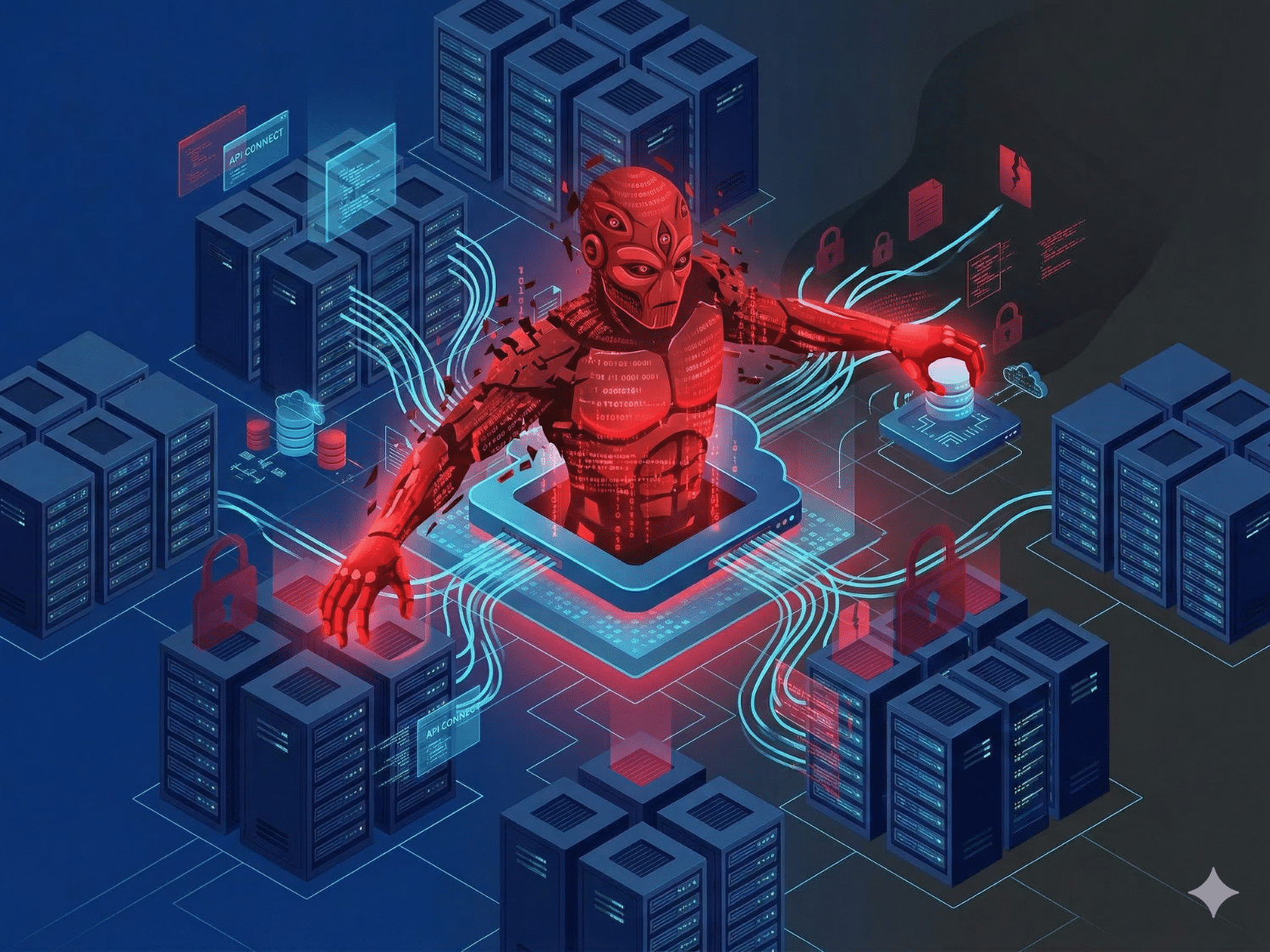
Crimson Collective is a newly identified ransomware-related cyber threat group that surfaced around September 2025. While often associated with ransomware-style extortion, the group primarily focuses on large-scale data exfiltration and leverage-based attacks rather than traditional file encryption. Their operations have drawn significant attention following claims of a major breach involving Red Hat, where they allegedly accessed private repositories and sensitive customer data.
Unlike conventional ransomware campaigns that rely on encrypting systems and appending a ransomware file extension, Crimson Collective operates through cloud compromise, credential abuse, and data theft. Their approach reflects a growing trend in cybercrime: exploiting misconfigured cloud environments and identity systems to extract high-value data for extortion.
Information on “Crimson Collective”
| Threat Name | Crimson Collective |
|---|---|
| First Detected/Reported | September 2025 |
| Threat Type | Cloud Data Exfiltration & Extortion Group |
| Primary Targets | Cloud Infrastructure (AWS), Enterprises, Technology Firms |
| Attack Focus | Credential Abuse, IAM Exploitation, Data Exfiltration |
| Notable Incident | Alleged Red Hat Git repository breach (570GB data) |
How Crimson Collective Operates
Crimson Collective’s operations are centered around cloud environments, particularly Amazon Web Services (AWS). The group gains initial access by identifying exposed or leaked credentials, often using tools such as TruffleHog to scan repositories for long-lived access keys.
Once valid credentials are obtained, attackers authenticate into cloud environments and attempt to establish persistence by creating new user accounts and generating additional access keys. If sufficient privileges are available, they escalate access by attaching administrative policies, granting full control over the compromised environment.
From there, the group conducts extensive reconnaissance using legitimate cloud APIs to map infrastructure, including virtual machines, storage volumes, databases, and network configurations. This activity blends into normal administrative operations, making detection particularly challenging.
Data collection follows, with attackers creating database snapshots, exporting them to storage buckets, and attaching storage volumes to attacker-controlled instances. The final stage involves exfiltrating sensitive data—often including repositories, infrastructure configurations, and credentials—and issuing extortion demands.
Red Hat Breach and Real-World Impact
The Crimson Collective gained widespread attention after claiming responsibility for a breach involving Red Hat’s private repositories. The group alleged it exfiltrated approximately 570GB of data, including over 28,000 projects and hundreds of Customer Engagement Reports (CERs).
These CERs are particularly sensitive, as they may contain infrastructure diagrams, configuration details, authentication tokens, and other information that could be leveraged for further attacks against customers. The group published partial proof of the breach on Telegram, including file structures and document samples.
While Red Hat confirmed a security incident affecting a consulting environment, it did not fully validate the extent of the claims. Nevertheless, the incident highlights the significant risks associated with cloud-based data storage and consulting repositories.
Additional Information
- Crimson Collective primarily targets cloud environments by exploiting misconfigured IAM roles and long-term access keys.
- The group uses legitimate cloud APIs and services, making malicious activity difficult to distinguish from normal operations.
- Data exfiltration includes databases, repositories, infrastructure configurations, and potentially sensitive customer information.
- Extortion is conducted via direct communication, sometimes leveraging victim infrastructure such as AWS Simple Email Service (SES).
- The group operates from multiple IP addresses and may involve multiple actors working collaboratively.
- There are indications of collaboration with other cybercrime groups such as ShinyHunters and Scattered Lapsus$ Hunters.
- The attack methodology aligns with MITRE ATT&CK techniques such as valid account abuse, privilege escalation, and cloud infrastructure manipulation.
Conclusion
Crimson Collective represents a new generation of cyber threat actors that leverage cloud-native techniques for data theft and extortion. By abusing legitimate credentials and infrastructure, the group bypasses traditional security controls and operates with a high degree of stealth. Their activities underscore the importance of strong identity management, least-privilege access, and continuous monitoring in cloud environments.
Organizations must recognize that modern cyber threats are no longer limited to malware or encryption-based attacks. Data exposure, credential compromise, and cloud misconfigurations now represent some of the most critical risks in today’s threat landscape.
As specialists in ransomware recovery and cybersecurity, we provide essential services such as Ransomware Recovery Services, Ransomware Negotiation Services, and our Incident Response Retainer. Contact us today to safeguard your organization against evolving cyber threats.
Last updated on: March 19, 2026
Related posts

The Emergence of the Insomnia Ransomware
ContentInformation on “Crimson Collective”How Crimson Collective OperatesRed Hat Breach and Real-World ImpactAdditional InformationConclusion Insomnia is a newly identified cyber threat operation that surfaced around October 2025, initially appearing as a ransomware-related threat actor, but quickly distinguishing itself through a fundamentally different approach. Unlike traditional ransomware groups, Insomnia does not rely on file encryption or the use […]
19.03.2026
The Emergence of the Tengu Ransomware
ContentInformation on “Crimson Collective”How Crimson Collective OperatesRed Hat Breach and Real-World ImpactAdditional InformationConclusion Tengu is a modern ransomware variant that surfaced around October 2025 and has quickly established itself as an active cyber threat across multiple regions. Operating as a Ransomware-as-a-Service (RaaS) model, Tengu enables affiliates to carry out attacks using shared infrastructure and tooling. Once deployed, […]
19.03.2026
News Week: March 9th to March 15th, 2026
ContentInformation on “Crimson Collective”How Crimson Collective OperatesRed Hat Breach and Real-World ImpactAdditional InformationConclusion ClickFix Variant Abuses Windows Terminal to Bypass Security Controls A newly observed ClickFix variant demonstrates how attackers continue refining social engineering techniques to evade detection and increase success rates. Instead of using the traditional Run dialog, victims are instructed to launch Windows […]
16.03.2026
News Week: March 2nd to March 8th, 2026
ContentInformation on “Crimson Collective”How Crimson Collective OperatesRed Hat Breach and Real-World ImpactAdditional InformationConclusion AI-Driven Ransomware Undermines Traditional Backup Strategies Emerging ransomware threats powered by artificial intelligence are redefining how attackers compromise enterprise environments, with a growing focus on backup systems as primary targets. Instead of immediate encryption, modern attacks rely on stealth, embedding themselves within […]
09.03.2026You are currently viewing a placeholder content from Wistia. To access the actual content, click the button below. Please note that doing so will share data with third-party providers.
More InformationYou are currently viewing a placeholder content from reCAPTCHA. To access the actual content, click the button below. Please note that doing so will share data with third-party providers.
More Information