


 EN
EN DE
DEBlack Basta Ransomware: Understand the Threat & How to Recovery
Black Basta Ransomware strikes fast, locking down data and demanding ransoms from businesses of every size. See how it functions, examine actual attack examples, and let our team guide your recovery and data restoration process.
How to tell if Black Basta Ransomware has infected your system?
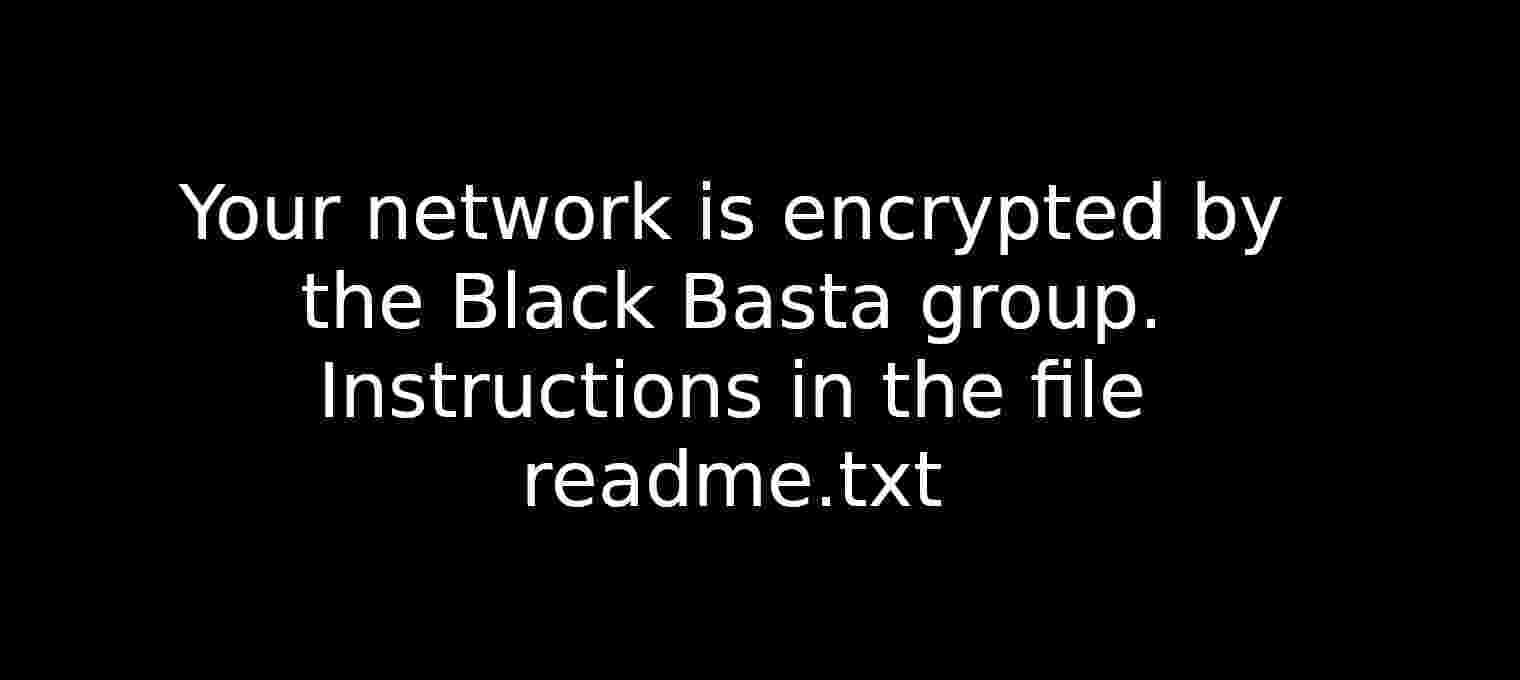
The most common way Black Basta ransomware victims learn that they’ve been infected is through a ransom note that replaces their desktop wallpaper. Your wallpaper may be replaced with a black background with a note telling you to follow the instructions in a .txt file to get your files back.
Black Basta Ransomware was first observed in April 2022 and has become a formidable threat. Black Basta encrypts files and then replaces the file extensionsan like “.basta”. Black Basta uses the ChaCha20 algorithm with a public RSA-4096 key for encryption, which is effectively impossible to crack.
Since Black Basta is a relatively new variant, there are no free decryption tools currently known.

Rapid Encryption
One of the fastest ransomware encryption speeds, making attacks harder to stop.
Ransomware-as-a-Service (RaaS)
Cybercriminals can easily distribute LockBit, making it a global threat.
Double Extortion Tactics
Steals sensitive data before encrypting files, threatening public leaks.
Why You Shouldn’t Attempt to Fix It Alone
If Black Basta ransomware has hit your business, taking the wrong steps can cause permanent data
loss or legal risks. Like a crime scene, a ransomware attack must be preserved—tampering
with encrypted files, attempting self-recovery, or engaging with attackers can destroy
critical evidence and reduce your chances of recovery.
The right response in the first moments after a Black Basta attack can make the difference
between full recovery and permanent data loss. Follow these critical steps to protect your
data and maximize your chances of restoring operations.
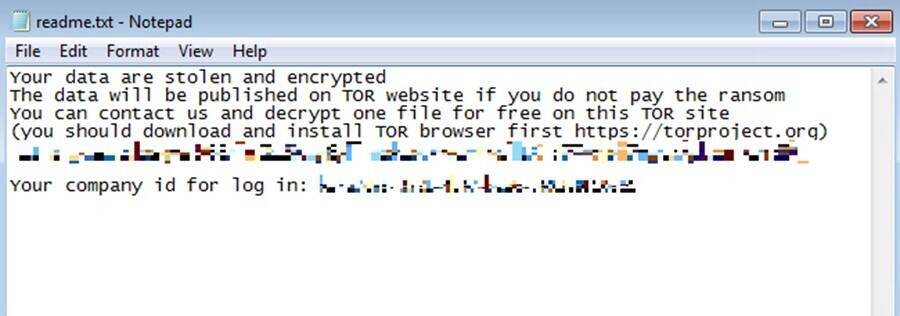
If you find a “ReadMe” note on your system showing information like the above, you’ve likely suffered a Black Basta Ransomware attack.
Never try to change or recover the data.

What do I do if my data is encrypted by Black Basta ransomware?
If you’ve fallen victim to ransomware, follow these crucial steps:
Request 24/7 Ransomware Recovery Help
Get expert guidance to assess, contain, and recover safely.
Isolate Infected Systems
Disconnect infected devices to stop the spread. Avoid self-recovery.
Preserve Evidence Immediately
Keep ransom notes & logs. Do not restart or modify anything.
BLACK BASTA RANSOMWARE STATISTICS & FACTS
RANSOM AMOUNTS
Black Basta focuses on quite large corporations. This is apparent by the large returns that they aim to achieve from their attacks.
Since Black Basta is still a relatively new, there’s not a lot of data on the ransom amounts yet, but so far averages are generally above $100,000 USD though in some cases they reach into the millions.
Ransoms are payable in Bitcoin. It’s important to note that quick-buy methods of purchasing Bitcoin can come with heavy fees. With large ransoms, it’s also possible that buying large amounts of Bitcoin can push up purchase prices on exchanges, making it more expensive.
AVERAGE LENGTH
Black Basta downtime can vary depending on a number of factors. On average, downtime resulting from Black Basta ransomware attacks is average.
Downtime is usually the most expensive part of an attack. Discretion can also be important, as in many industries a ransomware attack can also damage reputation. Getting back online quickly can help to avoid an attack being publicized.
CASE OUTCOMES
Black Basta has proven to be a highly organised gang that consistently provides reliable decryption tools.
We maintain detailed case files to keep track of all active ransomware gangs so that we can respond appropriately to each threat.
COMMON ATTACK VECTORS
Most Black Basta attacks utilize phishing or weak credentials as a primary attack vector.

How to identify black basta ransomware
This is an average Black Basta ransomware note. (With slight redaction in the interest of public safety)
Typical screenshots of Black Basta ransomware attacks
Frequently asked question
Decryption depends on the ransomware variant. In some cases, publicly available decryption tools exist, but not all attacks have a known solution. You can submit a free ransomware recovery request, and we will check for possible decryption methods.
In most cases involving personal data, which applies to nearly every ransomware incident, reporting is legally required. In the EU, GDPR requires notification to the relevant data protection authority within 72 hours of becoming aware of a personal data breach. The UK ICO requires the same 72-hour window. In the US, HIPAA-covered entities have 60 days to notify affected individuals (and immediately for breaches affecting 500+ people). The clock starts from awareness of the incident, not from a full technical understanding.
In most jurisdictions, paying a ransom is not illegal in itself — but it can become illegal if the payment ends up going to a sanctioned entity or country (OFAC-designated groups in the US, EU sanctions lists, UK Treasury lists). Before any payment, sanctions screening is essential. BeforeCrypt handles this compliance layer as a standard part of every engagement.
Most established ransomware groups do provide working decryption tools when paid — the business model depends on their reputation for delivery. However, decryptors are often slow, incomplete, or corrupt a percentage of files during recovery. This is where working with a specialist matters: BeforeCrypt tracks the delivery reliability of specific groups, negotiates sample-file decryption as proof of capability where the group allows it, and plans realistic recovery timelines based on our own engagement history with each group.
Most modern ransomware groups follow through on publication threats — stolen data appears on the group's leak site, is often mirrored to Telegram and dark web forums, and may be sold to third parties. Recovery becomes limited to whatever you can rebuild from backups.
Backups protect against file loss but not against data theft. Most modern ransomware groups exfiltrate sensitive data BEFORE encryption and threaten to publish it regardless of your recovery capability. This is why leak-site publication and negotiation still matter even for organisations with clean, offline backups — and why "we can just restore from backup" rarely tells the full story.
In most jurisdictions, yes — reporting is a standard part of a ransomware incident and, in some cases, legally required. In the US, that means the FBI (via IC3 or a local field office) and CISA. In the EU, national CERT and cybercrime units. Reporting does not obligate you to any specific recovery path but does open access to threat intelligence and, occasionally, decryption tools recovered by law enforcement.
Yes. We’ve handled 1,700+ incidents across ransomware, BEC and data-leak extortion. We identify the variant, decide decrypt vs. clean verified restore, and guide a controlled return to operations. When needed, we support negotiation & compliance—always legally and with a clear audit trail.
Yes. We produce insurer-ready incident reports with a defensible timeline, scope, likely entry path, exfiltration assessment, actions taken, and chain-of-custody. We can join the adjuster call, map our findings to your carrier’s forms, and provide GDPR/NIS2 notifications where required. Final acceptance always depends on the policy and carrier, but our packages are designed to speed up approvals and reduce back-and-forth.
MSPs keep IT running; they’re not built for evidence handling and incident triage. Insurer panels optimize claims, not necessarily speed & clarity for your business. We work alongside both: kick off in ≤2h, run forensic triage with chain-of-custody, coordinate safe containment, and deliver executive- and insurer-ready findings—without taking your environment hostage.
Because it turns chaos into fast, safe recovery. We cut downtime and limit damage while preserving evidence. Within ≤48h you get a forensic triage pack (timeline, likely entry path, scope, decrypt-vs-clean-restore decision, go-live criteria) so leadership can act with confidence. Result: controlled, verified restart—not guesswork.