

 EN
EN DE
DE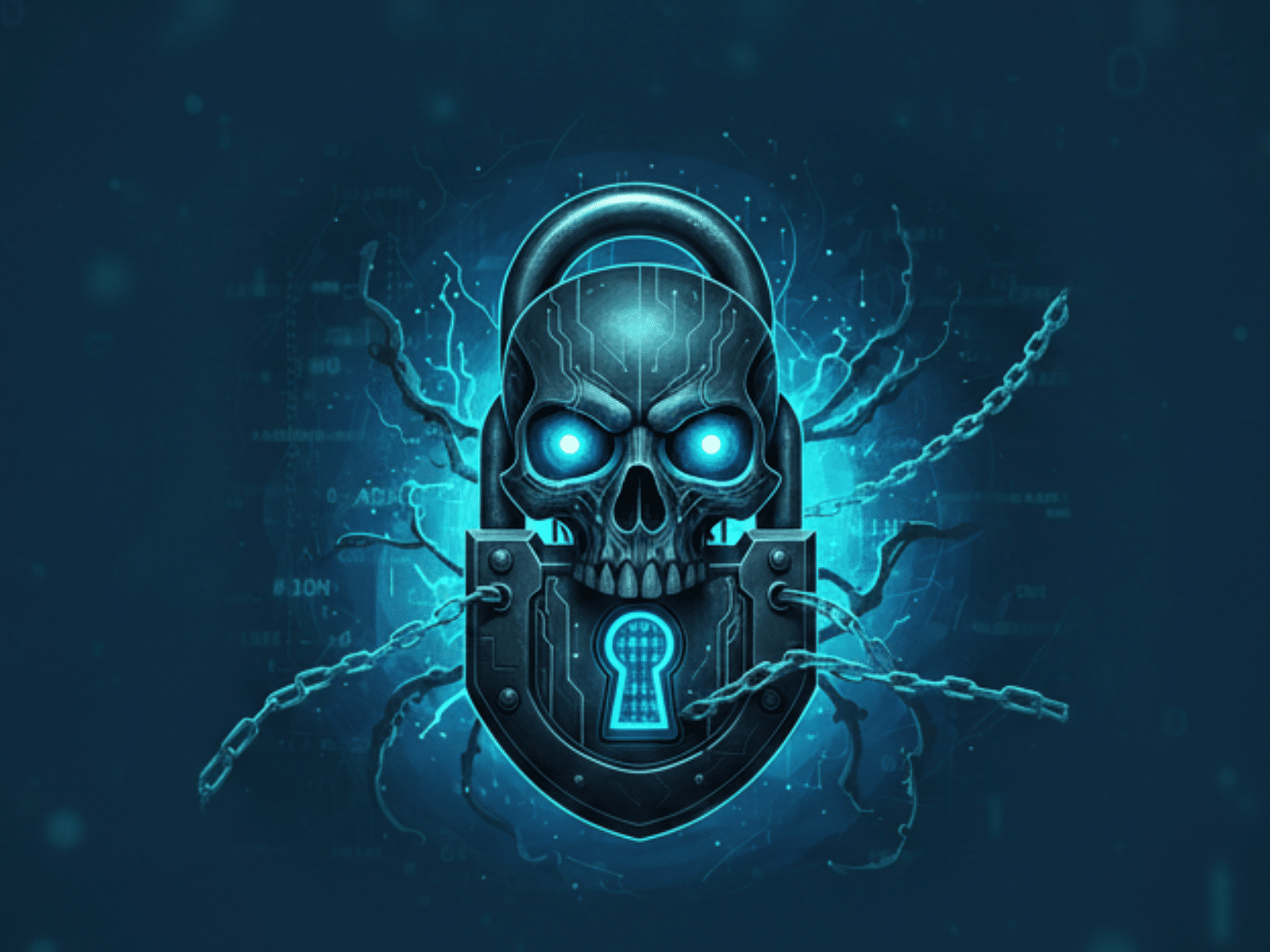
First identified in July 2025, DeadLock is a newly discovered ransomware variant that has remained largely under the radar due to its lack of public affiliate programs and the absence of a known data leak site. Despite its low exposure so far, DeadLock represents a serious threat because it combines traditional file encryption with innovative infrastructure techniques. Once a system is compromised, DeadLock encrypts victim data and appends the ransomware file extension “.dlock” to affected files, rendering them inaccessible without the attackers’ decryption key.
Information on “DeadLock Ransomware”
| Ransomware Name | DeadLock Ransomware |
|---|---|
| First Detected/Reported | July 2025 |
| Affects OS | Windows |
| File Extension | .dlock |
| Ransom Note | READ ME.{ID}.txt / RECOVERY_CHAT.{ID}.HTML |
| Contact Method | Session Messenger (decentralized) |
Use of Polygon Smart Contracts
What makes DeadLock particularly noteworthy is its abuse of the Polygon blockchain. Instead of relying on static command-and-control servers, DeadLock interacts with Polygon smart contracts to dynamically store and rotate proxy server addresses. These smart contracts are queried directly by JavaScript code embedded in the ransomware’s dropped HTML files, allowing the operators to update infrastructure without maintaining a centralized server that defenders could easily take down.
Because blockchain data is distributed and persistent, this technique significantly complicates takedown efforts and represents an emerging trend in ransomware operations. Similar approaches, such as Ethereum-based “EtherHiding,” have previously been attributed to state-linked threat actors, highlighting how decentralized technologies are increasingly weaponized for malicious purposes.
Additional Information
- DeadLock encrypts a broad range of file types, including documents, databases, images, videos, and other business-critical data.
- Encrypted files receive the “.dlock” extension, and file icons and desktop wallpaper are modified to alert victims of the attack.
- Although DeadLock does not operate a public data leak site, later variants explicitly threaten to sell stolen data if ransom demands are not met, indicating a shift toward double extortion.
- The ransomware leverages a PowerShell script to stop non-whitelisted services, delete Volume Shadow Copies, and hinder recovery efforts.
- AnyDesk has been observed as a key remote access tool in DeadLock-related incidents, suggesting hands-on activity by the threat actors.
- DeadLock uses the decentralized Session messenger for victim communication, embedded directly into an HTML ransom note to simplify contact.
Conclusion
DeadLock Ransomware may currently appear low profile, but its use of Polygon smart contracts for proxy rotation demonstrates a sophisticated and forward-looking threat model. By removing traditional infrastructure dependencies, DeadLock increases its resilience against disruption and signals a broader shift in ransomware tradecraft. Organizations should not underestimate this threat and must prioritize proactive defense, detection, and recovery planning.
As experts in ransomware response and recovery, we offer comprehensive Ransomware Recovery Services, professional Ransomware Negotiation Services, and a proactive Incident Response Retainer to help organizations respond quickly and minimize impact. Contact us to protect your data and regain control after a ransomware incident.
Last updated on: January 19, 2026
Related posts
The Emergence of the Crimson Collective Ransomware
Crimson Collective is a newly identified ransomware-related cyber threat group that surfaced around September 2025. While often associated with ransomware-style extortion, the group primarily focuses on large-scale data exfiltration and leverage-based attacks rather than traditional file encryption. Their operations have drawn significant attention following claims of a major breach involving Red Hat, where they allegedly […]
19.03.2026
The Emergence of the Insomnia Ransomware
Insomnia is a newly identified cyber threat operation that surfaced around October 2025, initially appearing as a ransomware-related threat actor, but quickly distinguishing itself through a fundamentally different approach. Unlike traditional ransomware groups, Insomnia does not rely on file encryption or the use of a ransomware file extension. Instead, it focuses exclusively on large-scale data exfiltration and […]
19.03.2026
The Emergence of the Tengu Ransomware
Tengu is a modern ransomware variant that surfaced around October 2025 and has quickly established itself as an active cyber threat across multiple regions. Operating as a Ransomware-as-a-Service (RaaS) model, Tengu enables affiliates to carry out attacks using shared infrastructure and tooling. Once deployed, the malware encrypts victim data and appends the ransomware file extension “.tengu” to affected files, […]
19.03.2026
News Week: March 9th to March 15th, 2026
ClickFix Variant Abuses Windows Terminal to Bypass Security Controls A newly observed ClickFix variant demonstrates how attackers continue refining social engineering techniques to evade detection and increase success rates. Instead of using the traditional Run dialog, victims are instructed to launch Windows Terminal, creating a more trusted environment for executing malicious commands. Once executed, the […]
16.03.2026You are currently viewing a placeholder content from Wistia. To access the actual content, click the button below. Please note that doing so will share data with third-party providers.
More InformationYou are currently viewing a placeholder content from reCAPTCHA. To access the actual content, click the button below. Please note that doing so will share data with third-party providers.
More Information